History of F1
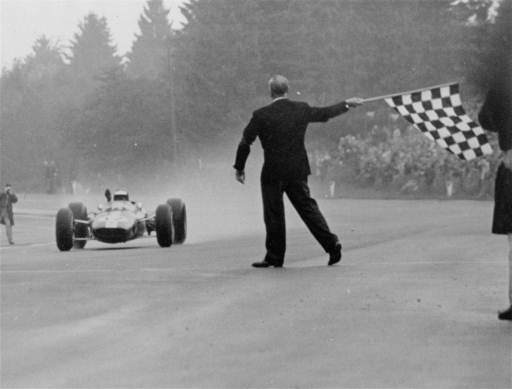
Formula 1, the pinnacle of single-seater auto racing, traces its origins back to the early 20th century when motor racing gained popularity in Europe. The establishment of the modern Formula 1 World Championship by the Fédération Internationale de l'Automobile (FIA) in 1950 marked a significant milestone in the sport's history. Led by drivers like Giuseppe Farina, the inaugural season showcased iconic races such as the British, Monaco, and Italian Grands Prix.
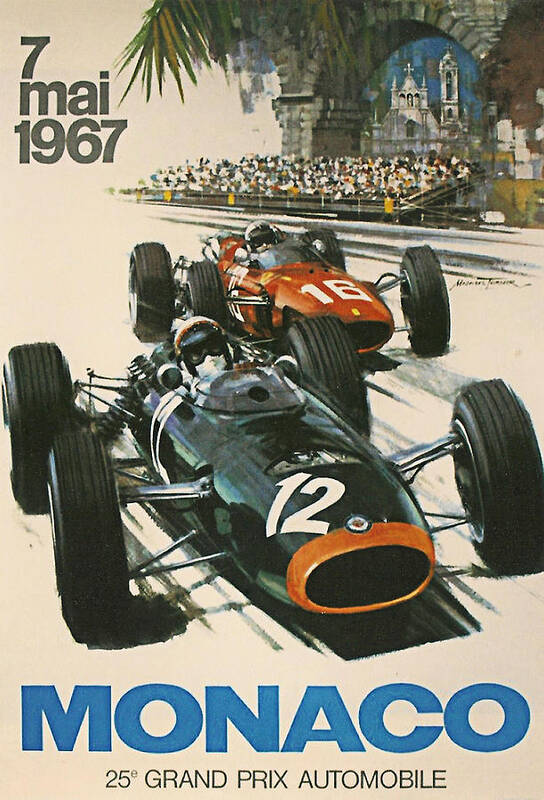
The subsequent decades witnessed rapid technological advancements, with innovations like monocoque chassis and aerodynamic designs shaping the sport. However, this period was also marred by tragic accidents that highlighted the dangers faced by drivers. The 1980s and 1990s ushered in the turbo era, characterized by battles between teams like McLaren, Ferrari, and Williams.
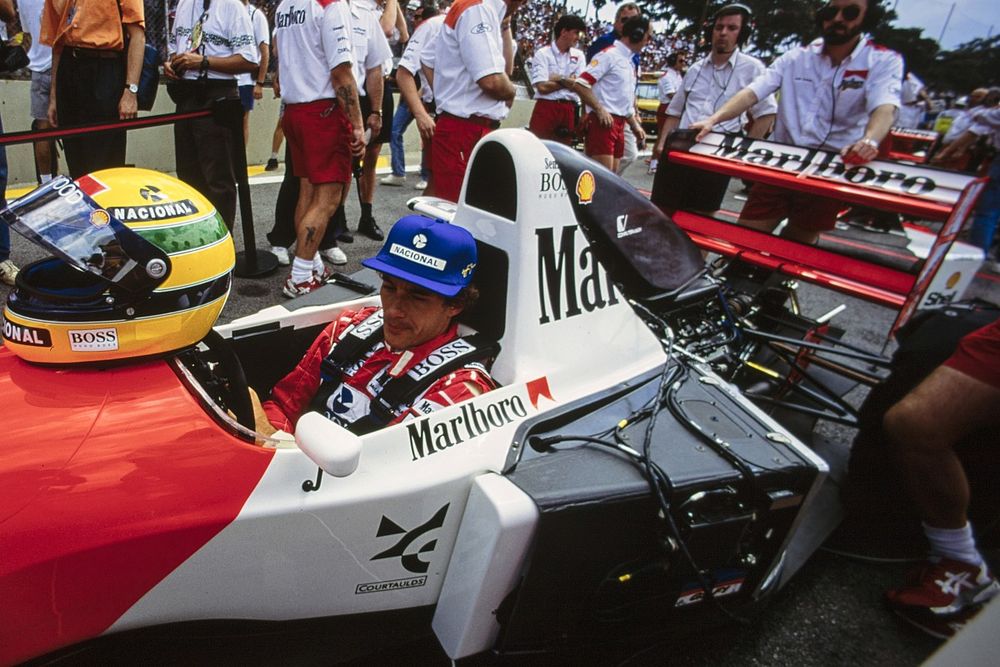
Ayrton Senna and Alain Prost's fierce rivalry captivated audiences worldwide, as the championship expanded to new markets across the globe. In the 2000s and beyond, drivers like Michael Schumacher and Lewis Hamilton continued to push the boundaries of speed and skill, while advancements in technology focused on enhancing both performance and safety.
Today, Formula 1 stands at the forefront of motorsport, a dazzling spectacle of speed, skill, and cutting-edge technology. From the streets of Monaco to the deserts of Bahrain, each race is a testament to the passion and dedication of those who dare to push the boundaries of what is possible. As the sport looks to the future, it faces new challenges and opportunities, from the rise of electric racing to the quest for greater diversity and inclusion. Yet, through it all, the spirit of Formula 1 endures, a beacon of innovation and excellence in the world of motorsport.